
Signs Your Crawlspace Needs a Crawlspace Dehumidifier: What Newport News Homeowners Should Know
Your crawlspace may be quietly collecting moisture right now. Knowing the warning signs that you need a crawlspace dehumidifier can save your Newport News, VA, home from serious structural and health problems. Humidity beneath a house travels upward through floors, walls, and the air your family breathes. The good news is that the warning signs are recognizable, and acting early can prevent costly repairs.
Why Newport News Homes Are Especially Vulnerable to Crawlspace Moisture
Newport News, VA, sits along the James River and Chesapeake Bay, giving it a humid subtropical climate where summer humidity regularly climbs above 80 percent. Low-lying soil throughout Denbigh, Hilton, and Oyster Point holds groundwater close to the surface, so moisture can push upward through unprotected crawlspace floors even without rain. Older homes near Warwick Boulevard and the Fort Eustis corridor often have vented crawlspaces that pull in warm, wet outside air during summer, making them especially prone to condensation and mold growth.
If you recognize any of the signs below, a crawlspace dehumidifier may be the solution your home needs.
Six Signs Your Crawlspace Needs a Dehumidifier
List of services
-
Musty Odors Rising into Living AreasList Item 1
A musty smell indoors often starts underground. When mold and mildew grow in a damp crawlspace, their odors travel through the stack effect, the natural movement of air from below a house upward into living spaces. If your first floor smells stale, earthy, or sour, especially after rain or during summer, your crawlspace may be the source.
-
Condensation on Ductwork, Pipes, or Floor JoistsList Item 2
Visible moisture clinging to metal ducts, water pipes, or wooden beams is a clear warning. This happens when warm, humid air contacts cooler surfaces and water vapor turns to liquid. In Newport News summers, even mild air infiltration into a crawlspace can cause heavy condensation. Dripping or wet surfaces below the floor mean crawlspace humidity is likely above safe levels.
-
Sagging, Soft, or Spongy Floor JoistsList Item 3
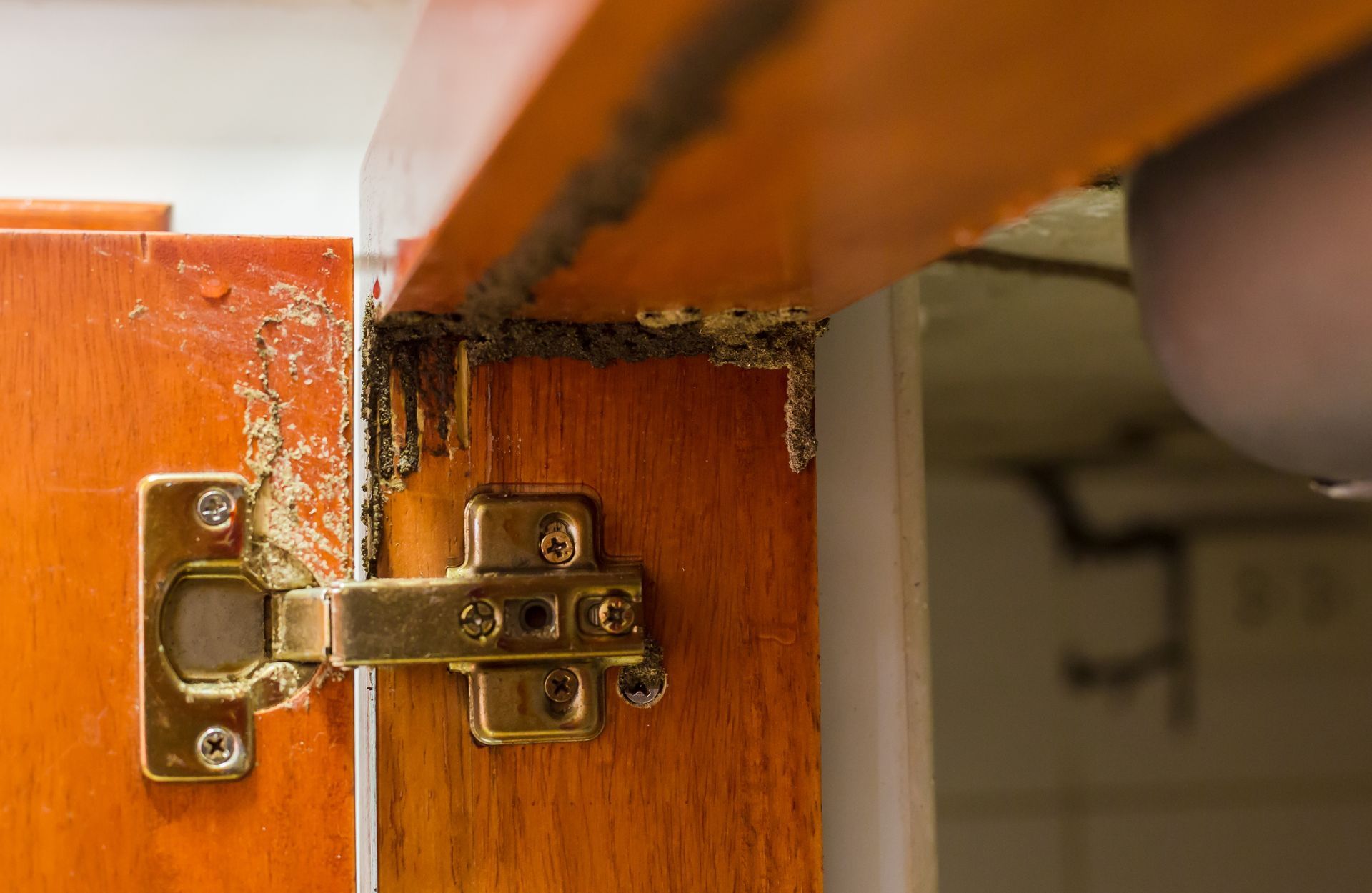
Floor joists and subflooring absorb moisture when crawlspace humidity stays elevated. Wood that remains damp can sag, warp, or soften, leading to floors that feel springy or uneven. This deterioration also attracts wood-destroying insects that thrive in wet, warm environments. Sagging joists are a serious structural warning, not a cosmetic issue.
-
Humidity Readings Above 60 PercentList Item 4
A handheld hygrometer can give you a crawlspace humidity reading in seconds. Most building science professionals recommend keeping crawlspace relative humidity below 60 percent to discourage mold and wood decay. In peak summer months, uncontrolled vented crawlspaces in Newport News, VA, can register 80 percent or higher with no visible water present.
-
Visible Mold or White Powdery Efflorescence
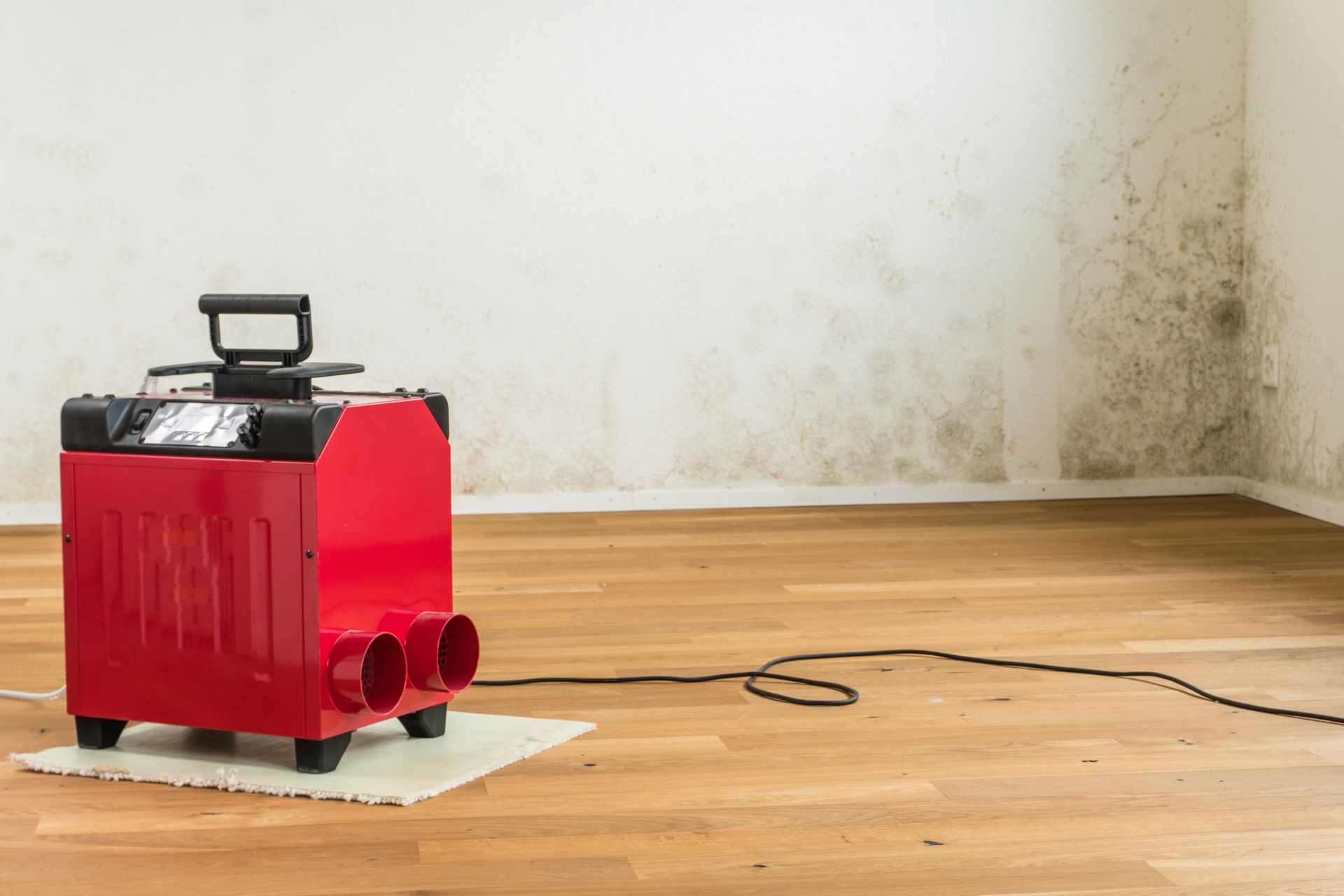
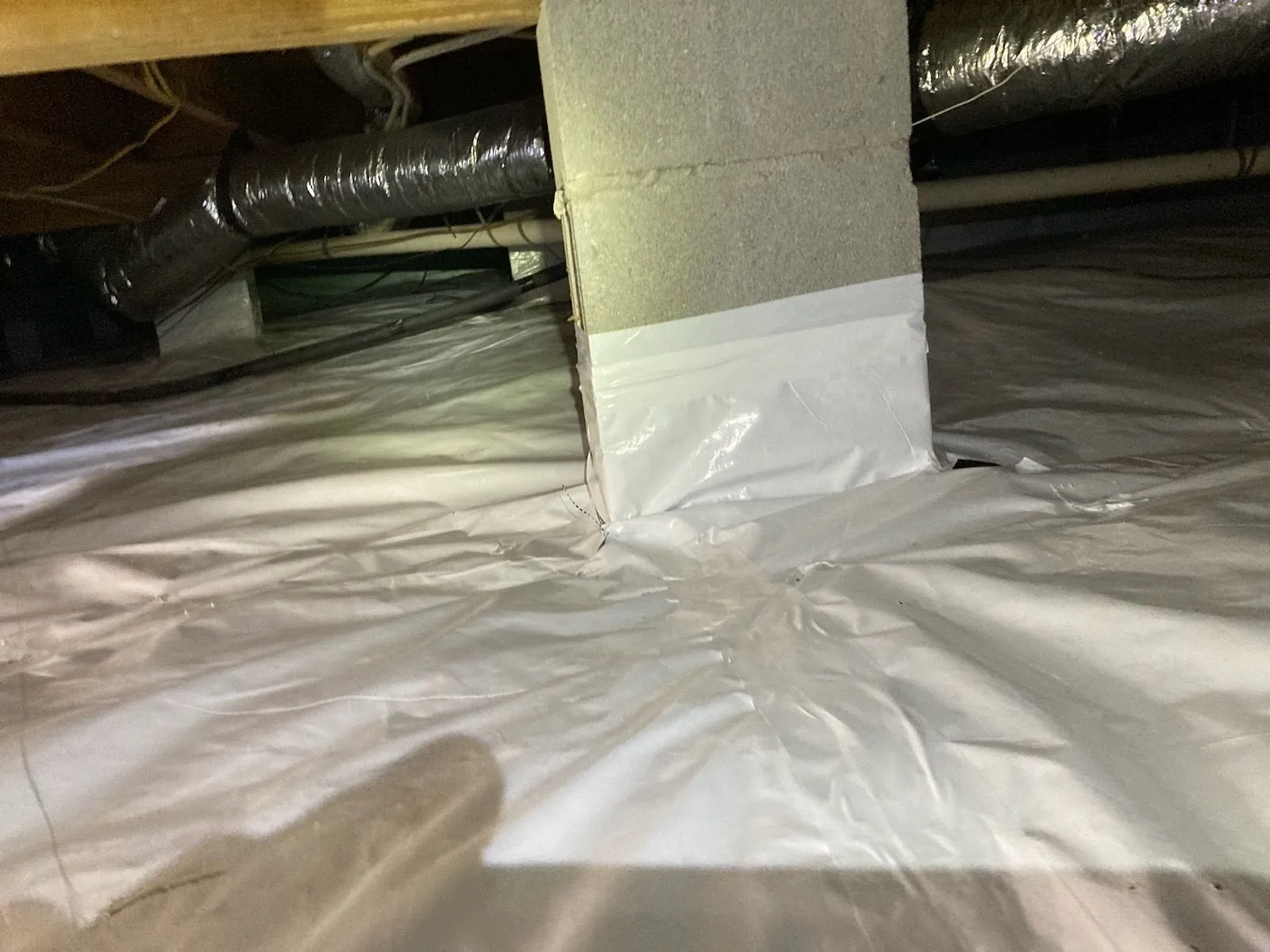
Black, green, or gray mold patches on wood surfaces are an obvious sign of excess moisture. A less obvious indicator is efflorescence, the white chalky residue that forms on concrete foundation walls when water moves through them and deposits minerals on the surface. Either signal means moisture has been present long enough to leave a mark, and a crawlspace dehumidifier paired with a vapor barrier may be needed to stop the cycle.
-
Increased Pest Activity Beneath the Floor
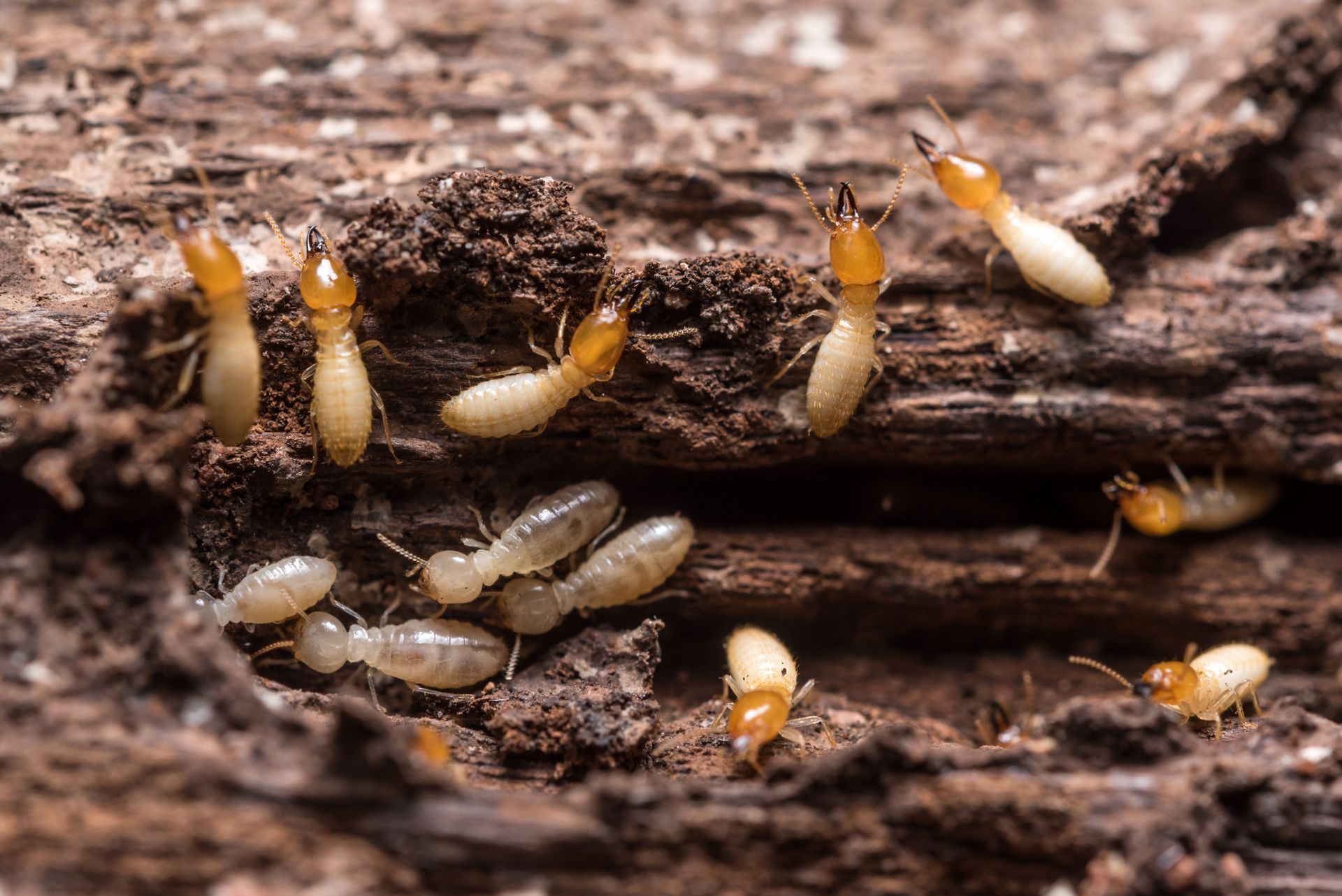
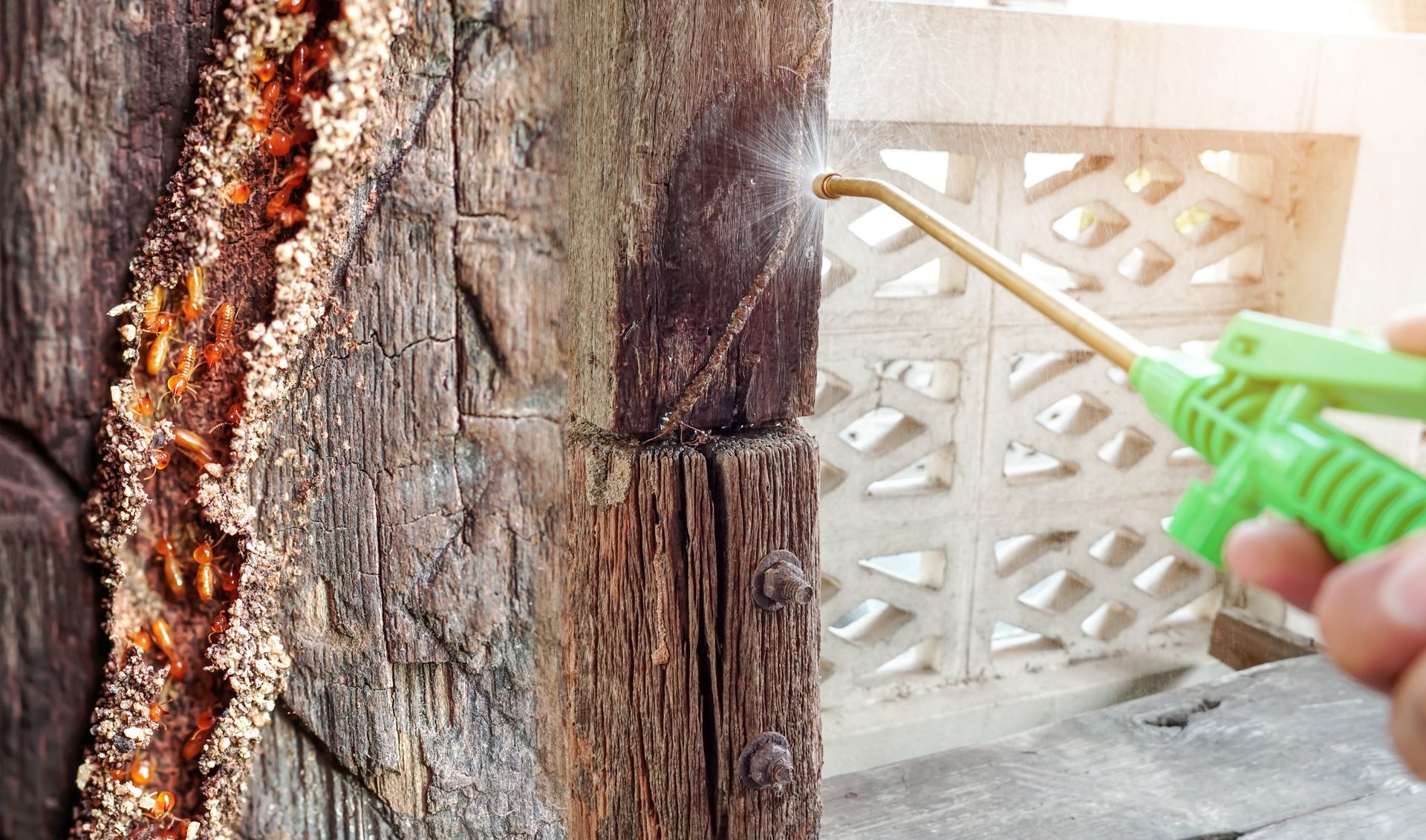
High humidity and damp wood attract subterranean termites, wood-boring beetles, and other moisture-loving pests. If you notice pest activity near your crawlspace or foundation, the underlying moisture problem may be just as important to address as the pests themselves. Reducing humidity can make the environment less hospitable to insects that depend on wet conditions.
How to Measure Crawlspace Humidity Correctly
Place a hygrometer in the center of the crawlspace, away from vents or exterior walls, and allow it to acclimate for 30 to 60 minutes before reading. Check it during different seasons, because late summer readings in Hampton Roads are typically much higher than winter readings. If your readings consistently exceed 60 percent relative humidity, it is worth exploring moisture control services that address the root cause and install the right equipment for your home's size and layout.
What Relative Humidity Level Is Safe for a Crawlspace?
Most experts recommend keeping crawlspace relative humidity below 60 percent. Above that level, mold growth becomes increasingly likely, and wood components may begin to absorb enough moisture to soften or warp.
Can a Crawlspace Dehumidifier Help With Pest Problems?
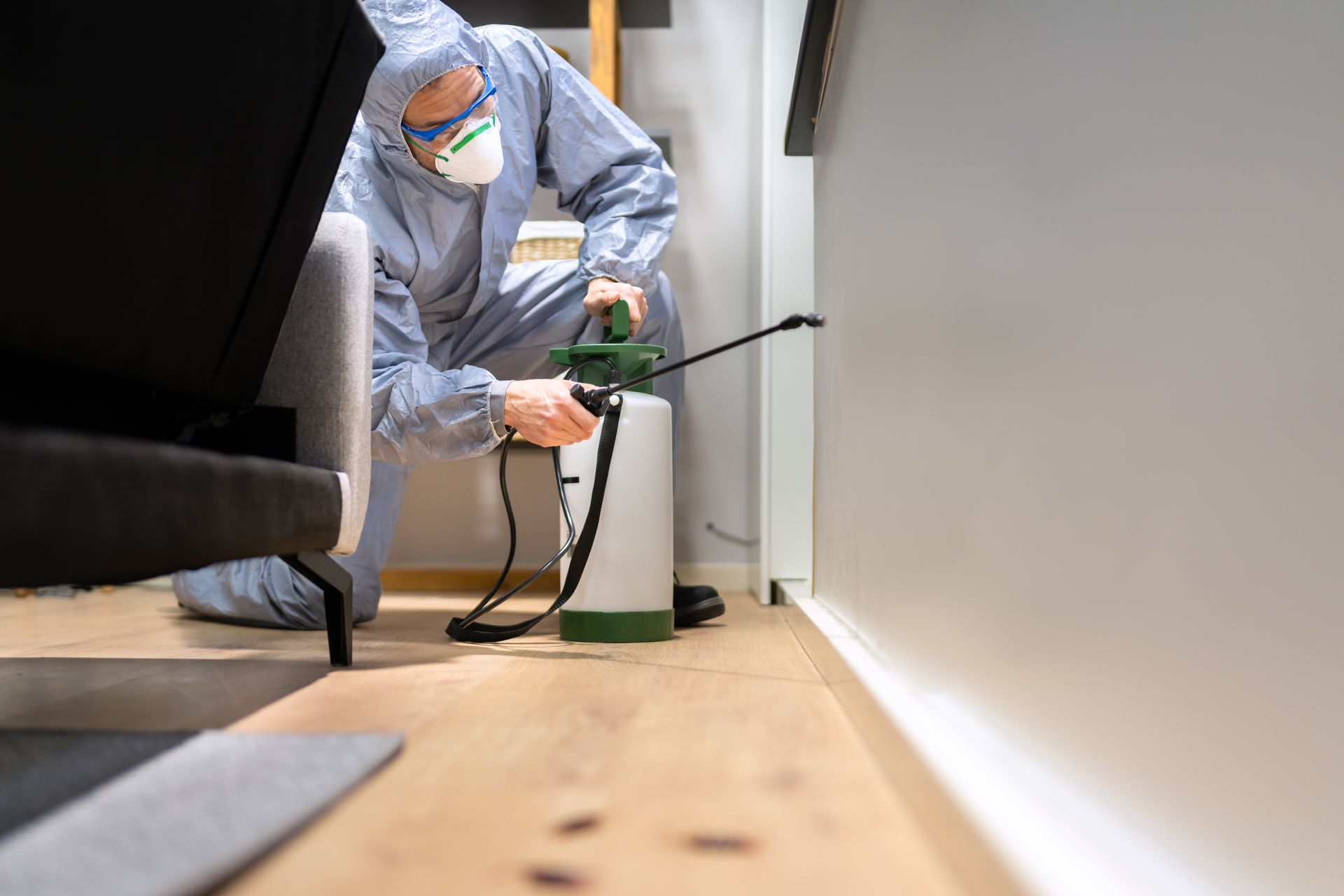
It can play a supporting role. Lowering humidity reduces the damp wood conditions that attract termites, wood borers, and other moisture-loving insects. However, a dehumidifier alone is not a substitute for professional pest control when an active infestation is present.
Ready to Protect Your Newport News Home? Contact Us Today
If the signs above sound familiar, it may be time to act. E&R Exterminating Company, Inc. serves Newport News, VA, and the surrounding Hampton Roads area with crawlspace dehumidifier installation and moisture control services. Our Certified Master Technicians can assess your crawlspace, recommend the right system, and handle installation from start to finish. Call (757) 874-4529 for a free inspection, contact us online, or find us on Google Maps at E&R Exterminating Company, Inc.